

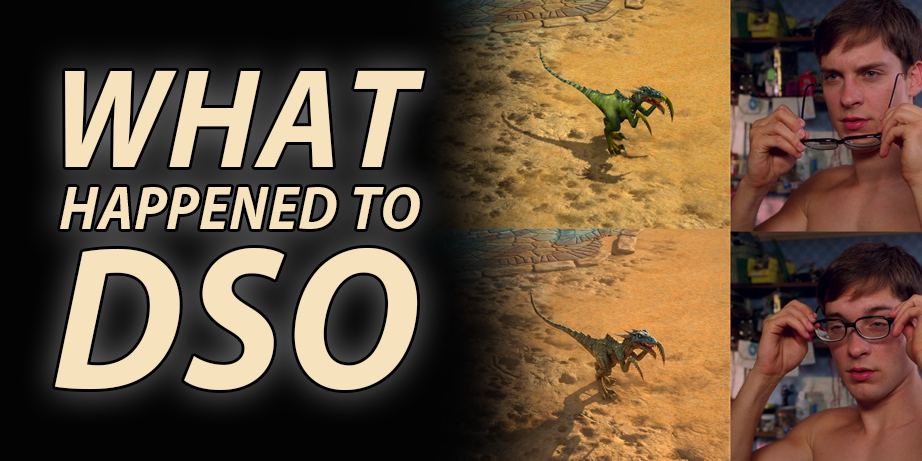
What’s Really Happening with Drakensang — and Why Your Survey Answers Change Nothing
A few days ago, Bella once again published a survey asking how you feel about the Spring Event — whether you like it, whether you’re satisfied, and what you think about items being locked behind real money.
And the key part here is how it was framed: the survey is supposedly meant to “show developers real numbers.” Like, players complain, but it’s hard to gather everything together — and now there’s actual data. “Look, numbers don’t lie, players are unhappy, something needs to change.”
Sounds good on paper.
But let’s be honest — it doesn’t work like that.
I decided to dig into this a bit. Not a full investigation, but enough to notice some very interesting patterns.
The company behind the game, Bigpoint, doesn’t just run Drakensang Online. There are still a few active projects left, including DarkOrbit and Seafight.
And this is where things get interesting.
If you take a look at these games, you’ll notice the exact same things happening there as in Drakensang.
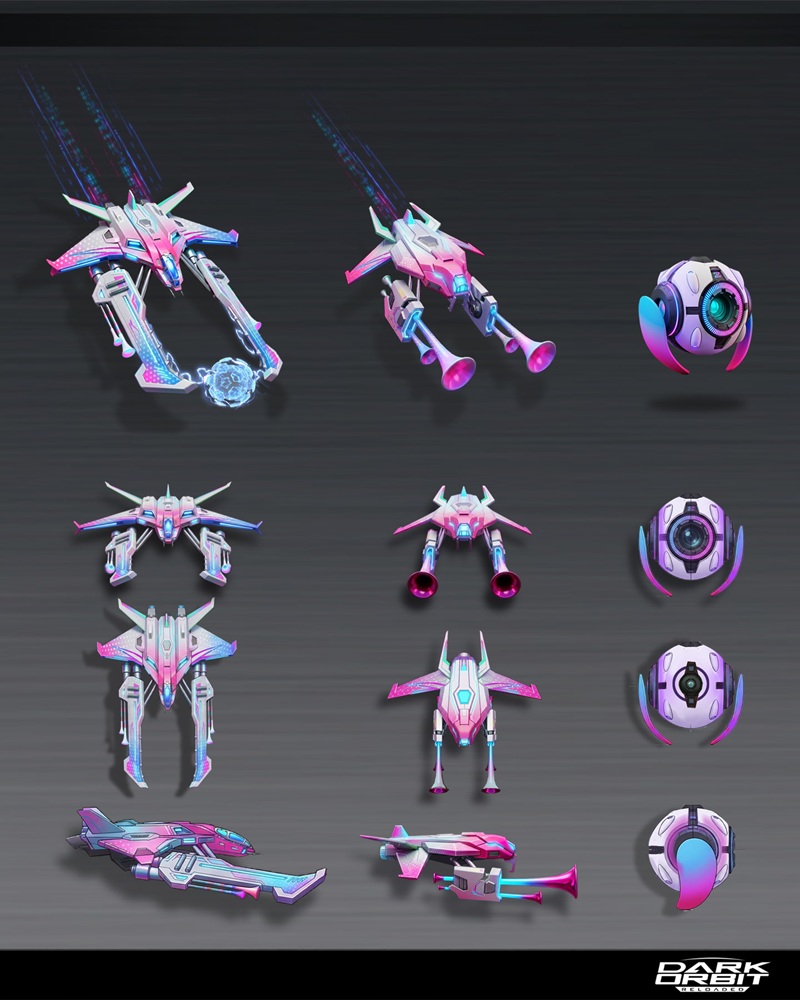
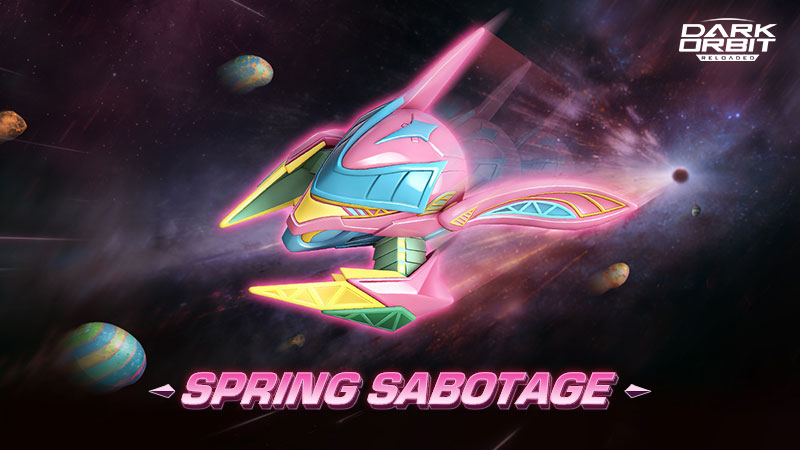
— In DarkOrbit — a dark space setting… and suddenly you have pink ships, flashy effects, and visuals that simply don’t belong there.
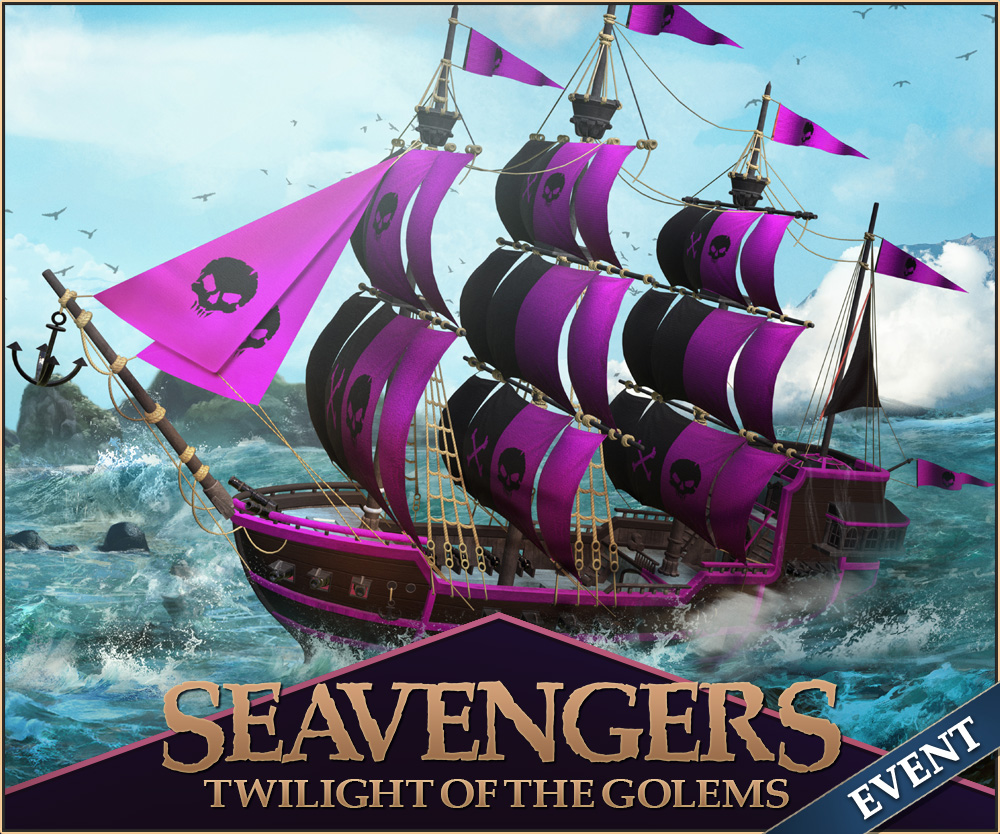
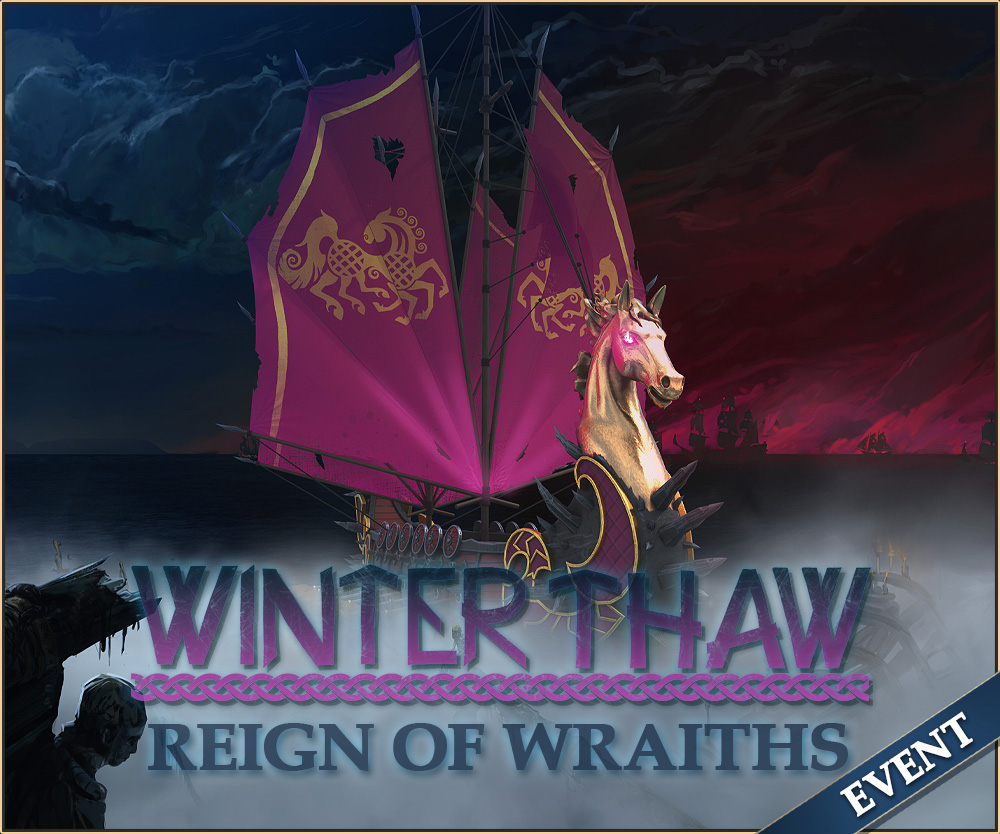
— In Seafight — a pirate world… now filled with over-the-top, almost cartoonish designs that completely break immersion.
(I’ll attach images from both of these games to this post so you can see it for yourself.)
Now let’s go back to our game.
Drakensang Online was originally built as a dark fantasy world, heavily inspired by classics like The Lord of the Rings. And for many years, it actually felt that way.
But look at what we have now.
Chinese-themed mounts, random cosmetics, flashy effects — content that doesn’t fit the game’s universe at all. And there are tons of players pointing this out.
So here’s the real question:
how is it possible that three completely different games, made by different development teams, are all moving in the exact same direction?
The answer is simple — it’s not the developers.
Yes, the dev teams are different.
Different people, different projects.
But the decisions? Identical.
Which means those decisions are made somewhere else.
There’s a higher level — a person or a group responsible for the overall profitability of the company. And for them, there is only one metric:
Money.
Not atmosphere.
Not lore.
Not player satisfaction.
Just revenue.
Now ask yourself a simple question.
If you’re managing three projects that generate, let’s say, €2 million per month, and someone suggests “listening to players” by reducing monetization — which would cut that down to €1 million…
Would you agree?
You already know the answer.
And that’s exactly why these surveys are meaningless.
They don’t change anything.
They don’t reach decision-makers in the way you’re being told.
And they definitely don’t affect core design choices.
At best, what changes is how monetization is presented:
— slightly better deals
— slightly more “attractive” bundles
— maybe slightly lower prices
But the system itself?
It’s not going anywhere.
You can save this post and come back in a year or two — it will still be true.
Now, one more important point.
So far, we’ve covered two things:
Every project is losing its original atmosphere
Every project is becoming more monetized
But there’s also a third one.
A few years ago, DarkOrbit and Seafight were moved to a new engine — Unreal Engine.
Now think back to that stream where someone asked Bella:
“When will Drakensang Online get a new engine?”
She laughed.
And honestly, it’s unclear what’s worse:
— that she doesn’t understand the question
— or that she knows the answer and it’s “never”
Because the reality is:
in other projects, at least some of the money goes into development,
while in Drakensang we still have performance issues, 40 FPS in town even on modern GPUs… and yet, new paid sets keep coming.
So here’s the conclusion.
Surveys are not a tool for change.
They are a tool to create the illusion that you are being heard.
If you actually want to make a difference — stop wasting time clicking checkboxes.
Go to the streams.
Ask direct, uncomfortable questions.
Because that’s the only way you might be heard.
Instead of just becoming another percentage in a spreadsheet.

 Russian
  English